NO CRUDE, NO REFINERY! PETROAN WARNS TINUBU: GUARANTEE FEEDSTOCK OR FORGET PORT HARCOURT, WARRI COMEBACK
GREATRIBUNETVNEWS–THE Petroleum Products Retail Outlets Owners Association of Nigeria (PETROAN) has thrown a major spanner in the works, demanding guaranteed crude oil supply as the only condition for sustainable operation after restart.
Marketers Dare NNPC – Sign Binding Deal With Penalties, Stop Commissioning Stunts
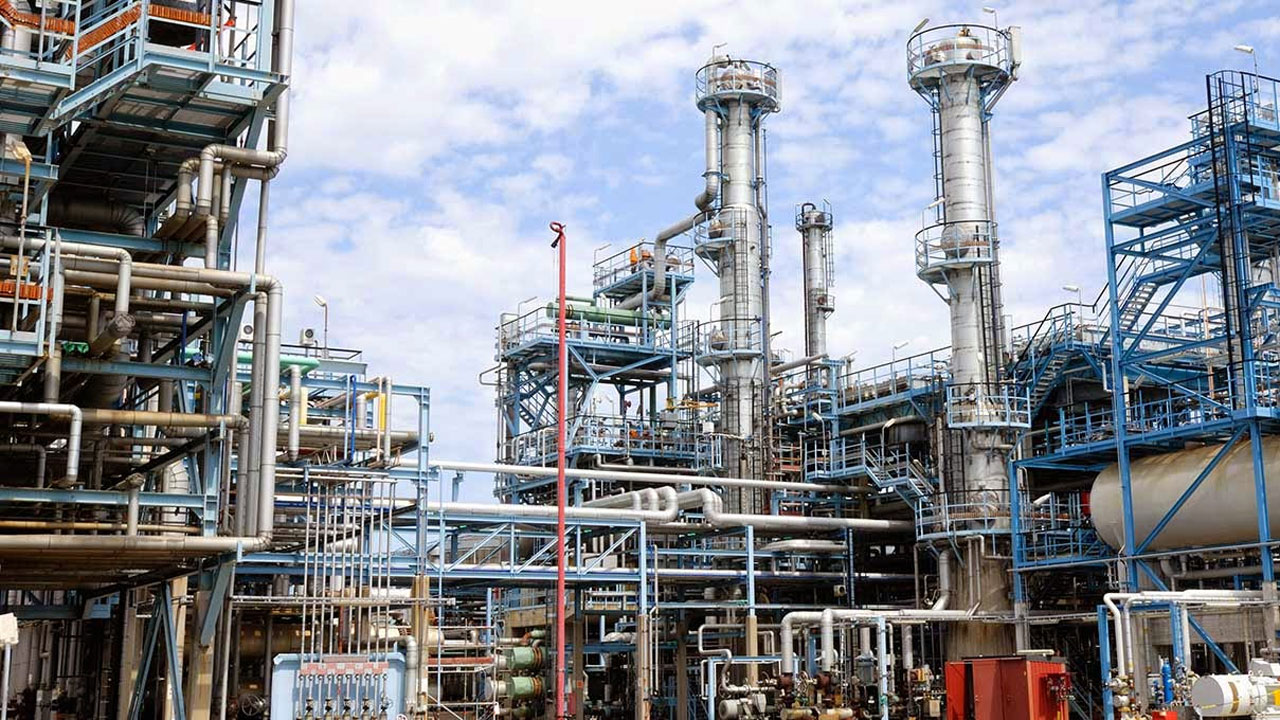
The planned comeback of Port Harcourt and Warri Refineries may crash before takeoff!
PETROAN’s bombshell comes as a direct response to President Bola Ahmed Tinubu’s renewed pledge to revive the refineries and judge them by commercial performance, not just flames and smoke.
National President, Dr. Billy Gillis-Harry*, says Nigerians are tired of fanfare and commissioning ceremonies. What matters now is real performance – throughput, availability, margins and return on capital.
He challenged the Nigerian National Petroleum Company Limited (NNPCL) to move beyond promises and convert its plans into binding agreements with defined completion dates, throughput guarantees and enforceable penalties for failure.
The warning is rooted in Nigeria’s poor record of turning its Domestic Crude Supply Obligation (DCSO) policy into actual crude deliveries to local refineries.
Without crude, PETROAN insists, the refineries are just expensive scrap.
Data from the Nigerian Upstream Petroleum Regulatory Commission, NUPRC, showed that 61.9 million barrels of crude were allocated to domestic refineries in the first quarter of 2026, while actual deliveries stood at 28.5 million barrels.
The gap has raised concerns about whether Nigeria can consistently supply the growing number of domestic refineries with crude at commercially viable prices.
PETROAN therefore called for firm implementation of the DCSO under the Petroleum Industry Act, PIA, alongside transparent crude pricing and dependable evacuation infrastructure.
The association warned that without guaranteed feedstock, refinery rehabilitation could simply create expensive assets without sustainable production.
The potential return of the Port Harcourt and Warri refineries would restore about 335,000 barrels per day, bpd, of refining capacity to Nigeria’s downstream market.
Port Harcourt has a combined capacity of about 210,000bpd, while Warri has a capacity of about 125,000bpd.
PETROAN argued that the value of the plants now extends beyond reducing petroleum imports.
According to the association, the refineries could provide geographical diversification, strengthen competition, reduce supply-chain risks and offer alternative sources of petroleum products whenever other domestic refineries undergo maintenance or suffer operational disruptions.
The argument comes as Nigeria’s dependence on imported petrol has declined sharply following increased domestic refining.
PETROAN said petrol imports fell from N2.271 trillion in the first quarter of 2025 to N87.4 billion in the corresponding period of 2026, while domestic refineries supplied about 76.7 per cent of national petrol volumes in Q1 2026.
PETROAN said the country’s refinery rehabilitation history showed that the problem was not simply lack of money, but governance, technical ownership, accountability and commercial incentives.
It said about $4.15 billion was allocated to interventions in the Port Harcourt, Warri and Kaduna refineries between 1993 and 2019, while the Federal Executive Council approved a further $3.14 billion package in 2021.
The Port Harcourt refinery briefly resumed operations in late 2024 before shutting down on May 24, 2025, for maintenance initially scheduled for 30 days.
Against this background, PETROAN wants the proposed technical equity partnership involving NNPC Ltd and Chinese companies to move from a non-binding memorandum of understanding to a binding commercial agreement.
The association wants the agreement to include completion deadlines, throughput guarantees, availability thresholds, liquidated damages for non-performance, disclosure of equity and capital commitments, independent technical due diligence and guaranteed crude supply.
It also called for genuine transfer of operating expertise to Nigerian engineers and improved product evacuation infrastructure



About the Author