AFTER 42 YEARS OF DECAY: FG MOVES TO DUMP ANCIENT POWER ASSETS FOR MODERN GRID
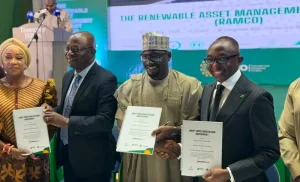
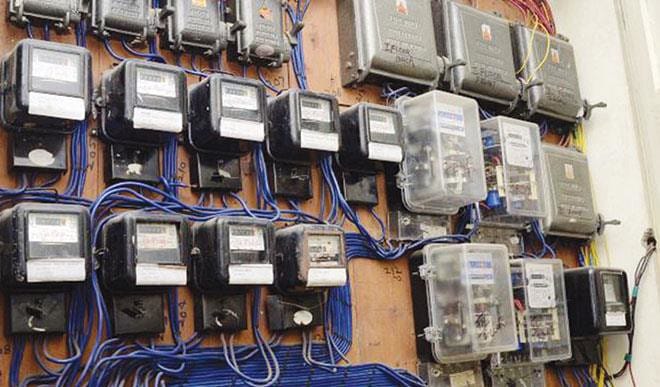
GREATRIBUNETVNEWS–THE Federal Government has finally commenced the replacement of 42-year-old power infrastructure with modern equipment to boost electricity supply nationwide.
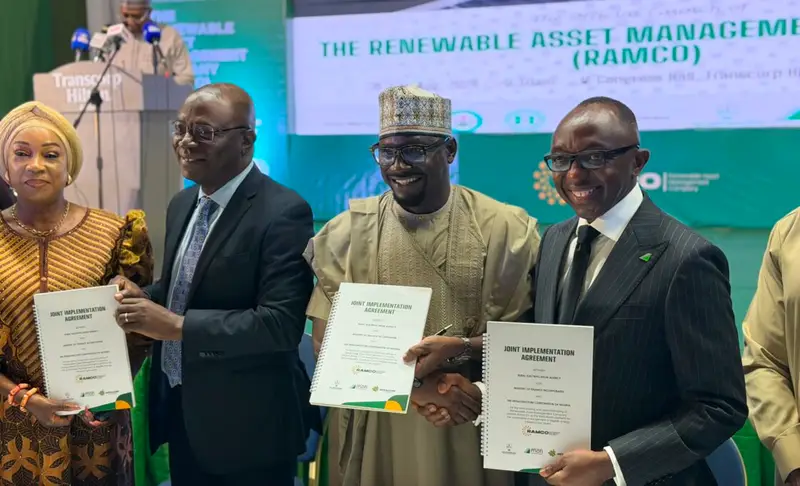
Minister of Power, Chief Joseph Tegbe, disclosed this on Tuesday at the launch of the Renewable Asset Management Company (RAMCO) in Abuja, noting that a technical audit of the decrepit facilities is already underway.
Tegbe said the overhaul will reduce system collapses, stabilize the national grid and improve power delivery to Nigerians.
He added that government is targeting 8,000 megawatts generation by 2026 and will revive the East-West supergrid to build grid resilience.
According to him, 21 dormant dams will be put to productive use, with those along the Sokoto-Badagry expressway corridor made commercially viable.
“Public investment must be matched by discipline to protect the assets,” Tegbe stressed, tasking Ministry of Finance Incorporated (MOFI) to prioritize grid and transmission assets — not to sell them, but to place them on a strong balance sheet for optimal use.
Chairman of the Rural Electrification Agency (REA), Ayodele Fayose, hailed RAMCO as “the best thing to happen to Nigeria’s electricity sector,” commending the REA MD and his team for sustaining continuity.
He noted that it is not enough to simply build new projects; their maintenance and operational continuity are equally critical.
Fayose also emphasized the need for a shift in public attitude, stating that infrastructure will last significantly longer when Nigerians adopt an ownership mindset and protect public utilities.
In his remarks, the Managing Director/CEO of the REA, Abba Aliyu, described RAMCO as the future of productive renewable energy asset utilization.
He highlighted institutional continuity across both the Ministry and the Agency as the foundation for bringing the initiative to fruition.
He explained that RAMCO will not burden the national treasury, but will instead unlock fresh private capital and revenue streams to ensure the long-term sustainability of off-grid infrastructure.
“RAMCO will reduce Nigeria’s dependence on government budgets, sovereign borrowing, and development finance to expand electricity access,” Aliyu said.
Aliyu said the new model would also enable existing renewable energy assets to generate predictable revenues that could be aggregated and potentially leveraged to attract private capital for additional infrastructure.
He added that RAMCO will enable capital deployed into mature renewable energy assets to be refinanced or recycled under robust commercial and regulatory frameworks, freeing up liquidity for new projects.
Aliyu added that RAMCO would support Nigeria’s efforts to develop local renewable energy manufacturing capacity.
He said REA had entered into a joint development arrangement with MOFI and InfraCorp involving German manufacturers for the production of solar modules, batteries, inverters, street lighting equipment and solar asset recycling.
Also speaking, the Managing Director/CEO of MOFI, Dr. Armstrong Takang, highlighted the critical role RAMCO will play in actualizing Nigeria’s target of a one-trillion-dollar economy.
He explained that the country must look beyond its debt profile and properly account for its capital assets to boost public revenue and enhance fiscal transparency.
The Managing Director of InfraCorp, Dr. Lazarus Angbazo, praised RAMCO as a landmark achievement of collaboration adding that a portfolio of well-managed assets will unlock asset-backed financing, credit enhancement, and long-term institutional capital.
“Infrastructure does not create value simply because it has been commissioned; it creates value because it continues to work.”
“RAMCO exists to provide stewardship of Nigeria’s renewable energy assets by maintaining, optimizing, and restoring underperforming systems so they continue to deliver services. It represents a major opportunity for the private sector and will cultivate a competitive renewable energy economy,” Angbazo stated.
The Director-General of the Budget Office of the Federation, Tanimu Yakubu, also welcomed the initiative.
He noted that RAMCO provides investors with a transparent portfolio backed by sound lifecycle planning and credible performance tracking, firmly positioning Nigeria as a serious destination for global renewable energy investments.
In his remarks, the Minister of State for Health and Social Welfare, Dr. Iziaq Adekunle Salako, described reliable electricity as a non-negotiable clinical input critical to saving lives, powering neonatal incubators, operating theatres, and cold-chain vaccine storage.
Highlighting that between 60 and 70 percent of Nigeria’s public health facilities face severe outages or complete energy poverty with teaching hospitals spending up to half their operating budgets on diesel, Dr. Salako hailed RAMCO as the missing operational link needed to fulfill the presidential Nigeria Power-for-Health Initiative, which aims to electrify at least 30 percent of health facilities by the end of 2027.
He explained that over 30 percent of solar systems installed in Primary Health Care Centres historically fail within three years due to a lack of maintenance budgets, spare parts, and post-commissioning ownership.
To address this, he proposed four key synergies: designating health facilities as a distinct asset class within RAMCO, integrating RAMCO’s commercial asset management with hospital-level energy teams, unifying energy audit data, and directing a portion of recycled capital to aggregate and sustain off-grid primary healthcare centers.


About the Author